BlogIn the field
What a first farm visit looks like
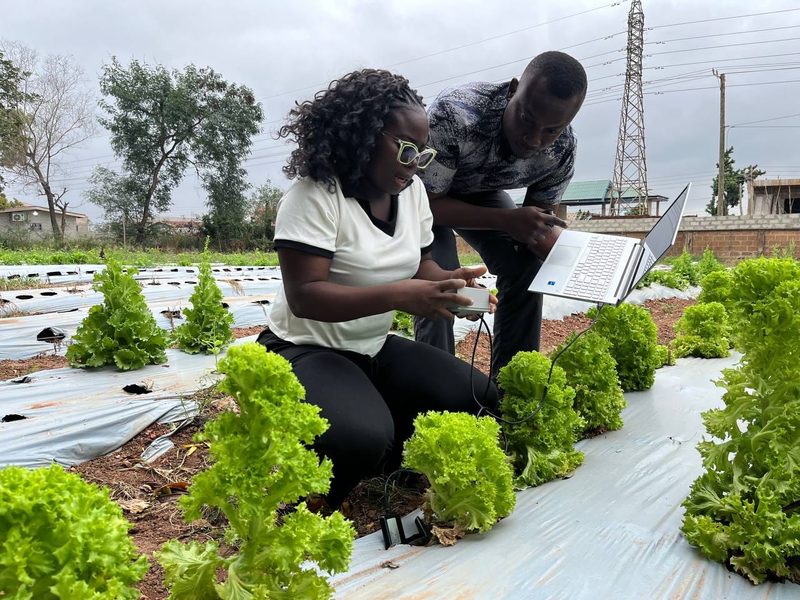
Most of SoilPulse AI happens on a phone. It starts on the farm, next to the person who works it. Here is what we do on a first visit.
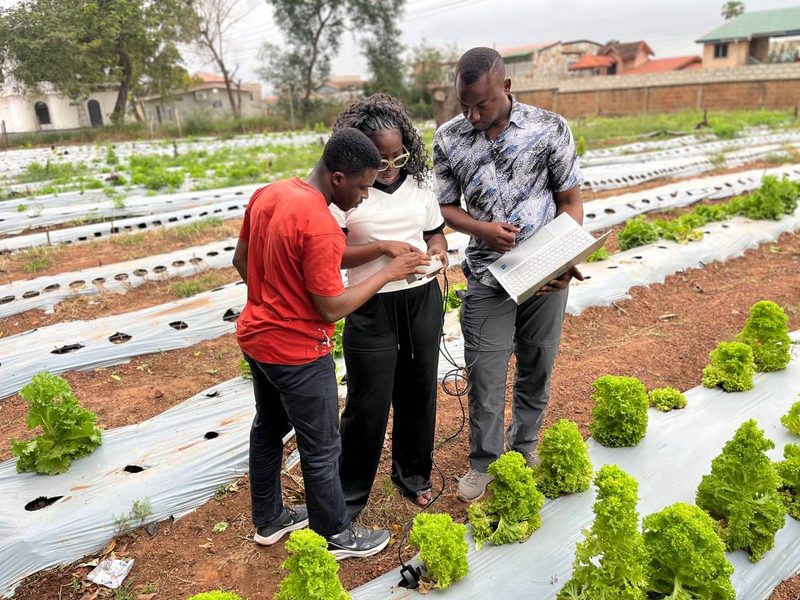
Most of what SoilPulse AI does happens on a phone screen. But it starts on the farm, standing next to the person who works it. Here is what a first visit looks like.
We start by listening
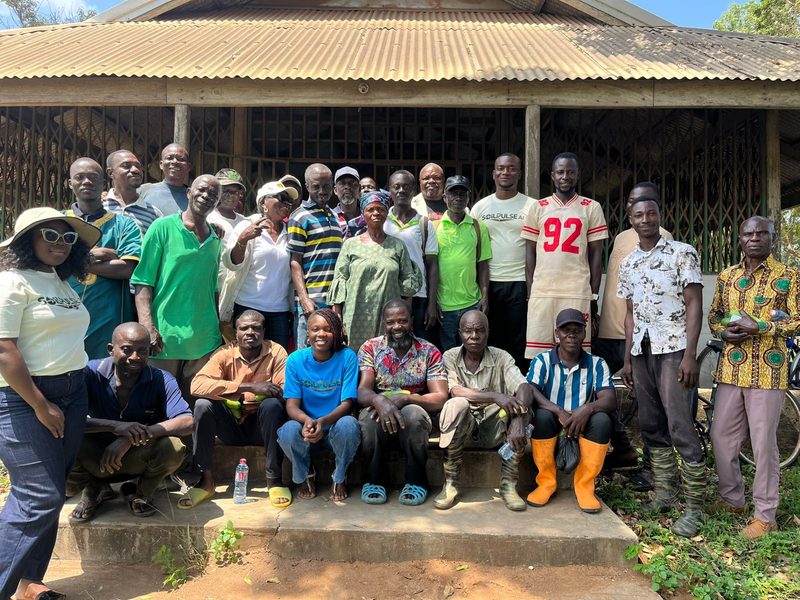
Before any equipment comes out, we ask about the land: what grows there, what has changed over the past few seasons, where crops struggle, and which pests keep coming back. The farmer knows things about that plot that no sensor can tell us.
Walking the boundary
Next, the farmer walks the edge of the farm with their phone, and the app records the boundary. That outline is what makes advice location-specific: it ties every reading, pest record and recommendation to the right piece of land.
Readings on the farmer’s own beds
Sensors go in sector by sector, and we take the first readings together: moisture, pH, electrical conductivity (EC), temperature and NPK. Farmers learn the sensor on their own beds, not in a classroom, so the numbers mean something from the start.
Going through the numbers together
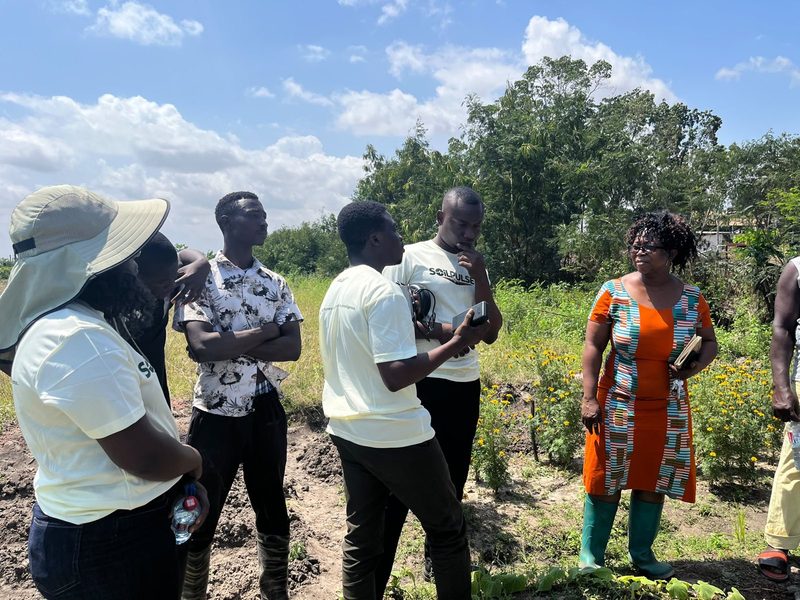
We read the first results on the spot, in the farmer’s own language: what each number means for the crop in the ground, and what, if anything, to do about it this week. Our guide to reading your soil covers the same ground in more depth.
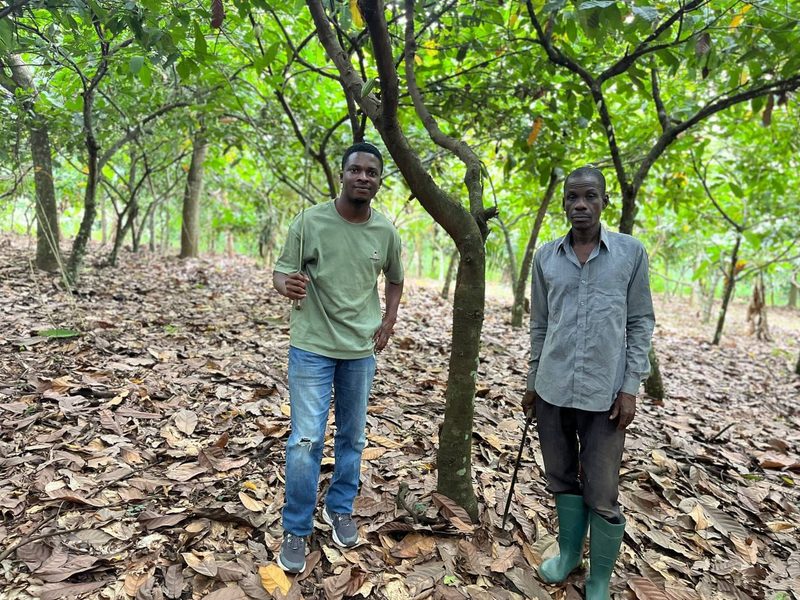
Cocoa under shade
Not every farm is a vegetable bed. On cocoa farms, the trees grow under shade and carry their pods on the trunk itself. The approach is the same — measure the plot, then advise on what it actually needs — but the questions change: shade, leaf litter, and black pod after the rains.
After the visit
Once the visit is over, the work carries on from the phone. Readings keep logging, pest sightings go into the farm’s record with photos, and if something looks wrong, a field agent is a message or a voice note away.
Every visit also teaches us something about what to build next. That is what we mean when we say SoilPulse is built with farmers, not just for them.